Types of Delaware Fishing Licenses
Compare Delaware fishing license types, FIN number rules, trout stamps, surf fishing permits, boat licenses, and official DNREC sources.
Quick Answer
Delaware recreational anglers usually choose from resident licenses, nonresident licenses, boat licenses, trout stamps, surf fishing vehicle permits, and charter or head boat coverage. The one rule many anglers miss is the FIN number: Delaware says anglers age 16 or older need a Delaware-issued Fisherman Information Network number each year before fishing Delaware waters, even when an exemption applies. Start with DNREC recreational licensing and complete purchase through Digital DNREC.
| License or permit | Best for | Key check |
|---|---|---|
| Resident annual license | Delaware residents fishing, crabbing, or clamming | Age, residency, and annual license year |
| Nonresident annual or short-term license | Visitors fishing Delaware waters | Trip length and current fee |
| FIN number | Anglers age 16 or older | Required annually; free when separate |
| Trout stamp | Anglers targeting trout | Age rules and current stamp fee |
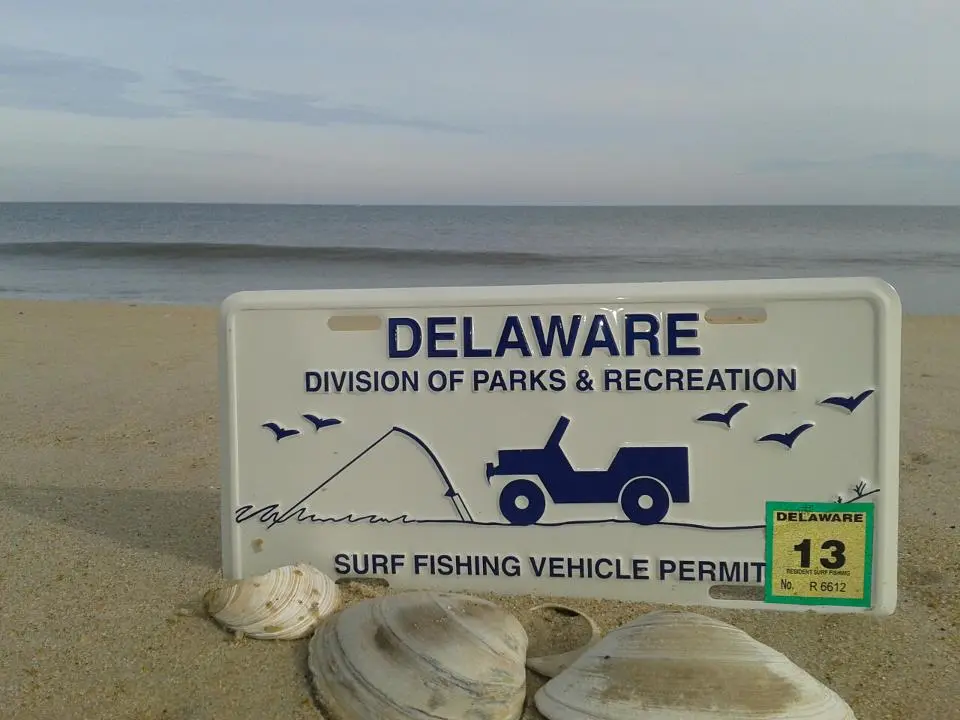
| Surf fishing vehicle permit | Vehicle access to designated surf areas | Covers the vehicle operator only for license exemption |
| Boat, charter, or head boat license | Group or paid vessel trips | Who is covered while aboard |
Why Delaware Has More Than One License Type
Delaware combines fishing, crabbing, and clamming under its recreational fishing license system, but the correct purchase depends on the angler and the trip. A resident fishing a pond, a tourist surf fishing at a state park, a boat owner taking friends out, and a trout angler all have different compliance questions.
The most useful way to think about Delaware licensing is not “which license is cheapest?” It is “which official document covers this angler, this water, this method, and this date?” If any part changes, the license answer can change.
Resident and Nonresident Licenses
A Delaware resident annual license is the standard path for residents who are not exempt. A nonresident license is the standard path for visitors. Short-term nonresident options may be useful for vacation trips, but you should confirm current availability and fees at the official checkout because prices can change.
Use this decision table:
| Angler profile | Starting point | Extra review |
|---|---|---|
| Delaware resident age 16-64 | Resident annual license | FIN number and any trout stamp |
| Delaware resident age 65 or older | Exemption may apply | FIN number may still be needed |
| Nonresident visitor | Nonresident license option | Annual vs short-term trip length |
| Angler targeting trout | License plus trout stamp when required | Trout stamp age and fee rules |
| Exempt angler | License exemption review | Separate FIN number may still be required |
DNREC’s official page should control final fee and exemption decisions. Avoid relying on old fee tables because state licensing systems can update without older articles being revised.
FIN Numbers
The Fisherman Information Network number is one of Delaware’s most important requirements. DNREC states that Delaware anglers age 16 or older need a Delaware-issued FIN number annually before fishing in Delaware waters. The FIN number is free, and it is usually issued automatically with an individual Delaware fishing license. If you are license-exempt, you may need to apply for the FIN separately through Digital DNREC.
This is why a senior, surf permit holder, or other exempt angler should not stop at “I do not need a license.” The better question is: “Do I still need a FIN number this year?” For many anglers age 16 or older, the answer is yes.
Trout Stamps, Surf Permits, and Boat Licenses
Trout fishing has a separate stamp requirement for many anglers. DNREC publishes current trout stamp rules and fees, including different treatment by age and residency. If your trip includes stocked trout waters, check the trout stamp page before fishing.
Surf fishing vehicle permits are often misunderstood. A valid surf fishing vehicle permit can exempt the vehicle operator from the individual fishing license requirement while the vehicle is on a designated Delaware State Park surf fishing area. Normal license rules may still apply to other occupants who are fishing. This distinction matters when friends or family are fishing beside the same vehicle.
Boat licenses can cover people aboard in specific situations, and charter or head boat licenses cover paying passengers, captain, and crew while fishing aboard that licensed vessel. Do not assume vessel coverage extends to fishing before boarding, after leaving the vessel, or from shore later in the day.
How to Buy or Verify a Delaware License
For most anglers, the best starting point is Digital DNREC. Create or access your account, choose the recreational fishing product, review residency and age details, then save proof of purchase. If you prefer in-person purchase, DNREC lists authorized license agents and the Richardson and Robbins Building licensing desk in Dover.
Before checkout, gather:
- Angler name and date of birth.
- Delaware residency proof if buying a resident product.
- Trip dates for short-term options.
- Vehicle registration details if buying a surf fishing vehicle permit.
- Trout plans, boat plans, or charter details if relevant.
If you are buying for a group, confirm whether each person is individually covered. Group confusion is a common source of accidental violations.
Official Source Checklist
Use these official sources before buying or fishing:
- DNREC recreational licensing for FIN numbers, license types, in-person options, trout stamps, surf fishing, and vessel coverage.
- Digital DNREC for online applications, account management, and current checkout details.
- DNREC fishing information for fishing programs, regulations, and agency updates.
- Delaware fish and wildlife regulations for legal rule text when you need the controlling regulation.
If this article and DNREC disagree, follow DNREC.
Mistakes to Avoid
Do not skip the FIN number. It is free when separate, but it is still a compliance requirement for many anglers age 16 or older.
Do not assume a surf fishing vehicle permit covers every person near the vehicle. DNREC’s surf permit exemption is specific, and other anglers may need their own license or FIN number.
Do not use trout stamp rules from memory. Trout rules are specific enough that even experienced anglers should check before a stocked-trout trip.
Do not assume a boat or charter license covers shore fishing later. Vessel coverage is tied to the licensed vessel and the conditions DNREC publishes.
Bottom Line
The right Delaware fishing license depends on residency, age, fishing method, trout plans, surf vehicle use, and whether you are fishing from a private or paid vessel. Start with the FIN number question, then choose the license or permit that matches the trip, and confirm the final fee and coverage through DNREC before you fish.