New Mexico Fishing Spots License Checklist
Plan New Mexico fishing spots by checking license requirements, special trout waters, access, closures, and NMDGF official regulation sources.
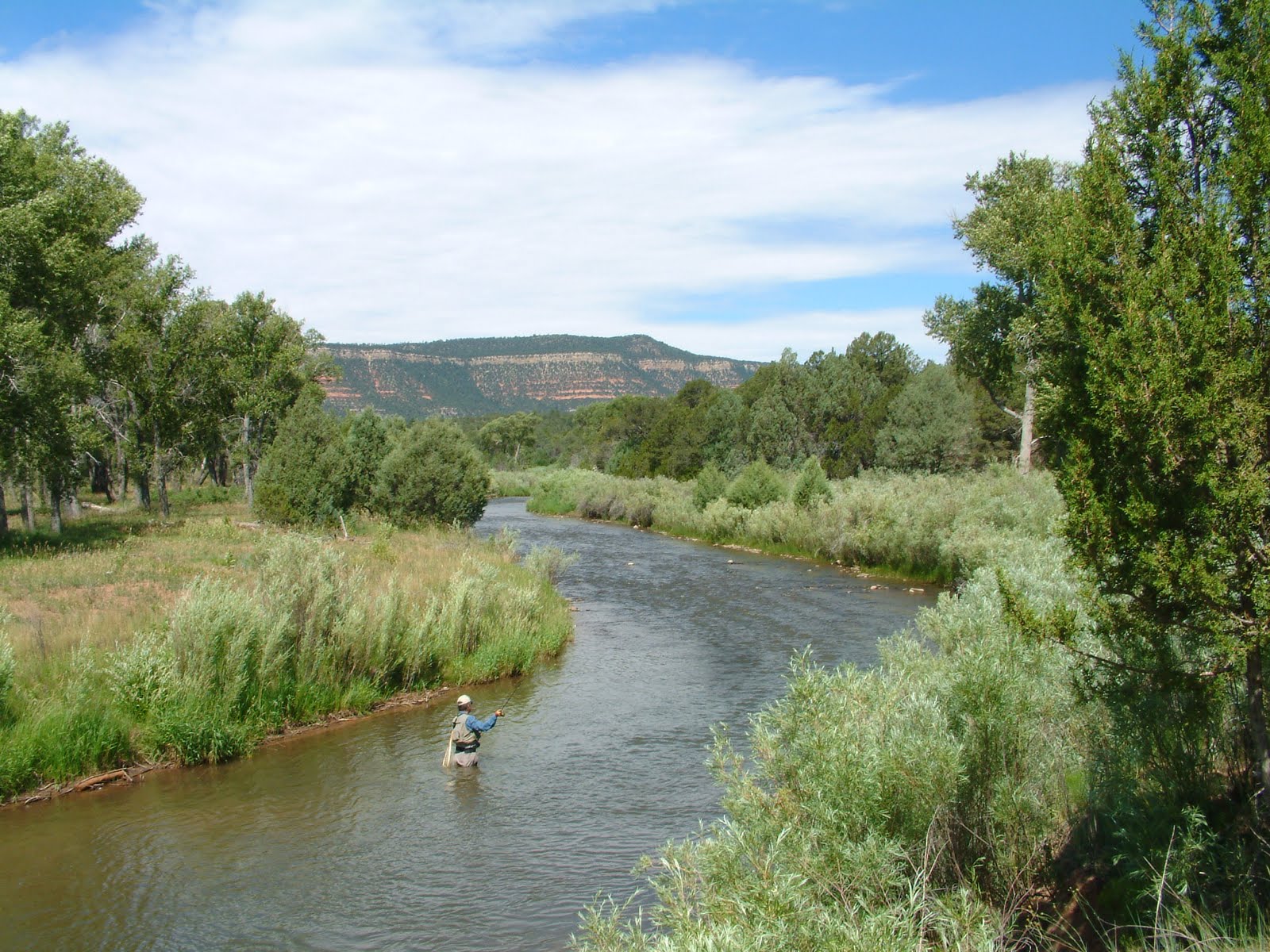
Quick Answer
New Mexico fishing spot planning should start with the New Mexico Department of Game and Fish, not a static destination list. Waters such as the San Juan River, Pecos River, Rio Grande, Eagle Nest Lake, Ute Lake, Santa Rosa Lake, Conchas Lake, Sumner Lake, Navajo Lake, and local community waters can have different license, access, bag limit, method, and special trout-water rules.
Use the official license system and current fishing rules before choosing where to fish or what to keep.
| Destination type | What to verify |
|---|---|
| Trout river or special trout water | License, stamp or validation if applicable, fly/lure rules, bag limit, and special water section. |
| Reservoir or warmwater lake | Species rules, boat rules, access, water level, and current closures. |
| State park water | Fishing license plus park access, hours, and local rules. |
| Youth or family trip | Age rules, license requirement, safe access, and stocking information. |
| Tribal, private, or federal water | Separate permission, permit, or land-manager rule. |
| Free fishing event | Current NMDGF announcement and rules that still apply. |
How To Use A Spot List
Use spot names as trip ideas, then verify the legal rule set for the exact water. A New Mexico fishing license does not automatically answer every question about access, methods, harvest, special trout waters, boat rules, or closures.
This page avoids publishing static fee tables, fixed limits, or annual “top 10” claims. License prices, stocking schedules, closures, and special rules can change. Use NMDGF and the relevant land manager for the current answer.
New Mexico Trip Checklist
Before fishing:
- Pick the exact water and access point.
- Confirm whether the water is state-managed, federal, tribal, private, municipal, or state park water.
- Check each angler’s age, residency, and license status.
- Identify target species and likely bycatch.
- Review the current NMDGF fishing rules for that water.
- Check special trout-water, bait, fly, catch-and-release, and harvest rules.
- Check closures, fire restrictions, state park notices, and water-level conditions.
- Save the current agency rule source before traveling.
Spot Categories To Consider
The San Juan River and other trout waters require careful review of special water sections, methods, and harvest rules. The Pecos and Rio Grande systems can vary by reach and season. Reservoirs such as Ute, Santa Rosa, Conchas, Sumner, Navajo, Elephant Butte, and Eagle Nest can involve boating rules, water levels, and species-specific regulations.
Community ponds and state park waters may be easier for families, but they can still have stocking schedules, hours, access fees, and local rules. If a water is on tribal or private land, check that authority directly before fishing.
Common Mistakes
Do not assume a generic New Mexico license article covers special trout waters. Do not assume a state park entry pass replaces a fishing license. Do not rely on last year’s stocking or free fishing dates. Do not use a destination article as proof that a water is open, accessible, or legal for harvest.
If a water crosses jurisdictions or is managed by a tribe, municipality, federal agency, or private owner, confirm that separate rule set before fishing.
Official Source Checklist
- New Mexico Department of Game and Fish - use for agency entry points, licenses, rules, and current notices.
- NMDGF licenses and permits - use for current license products, purchase paths, and eligibility rules.
- NMDGF fishing rules and information - use for current fishing rules, waters, and agency resources.
- NMDGF fishing and stocking reports - use for current stocking and fishing-condition context.
- New Mexico State Parks - use when fishing state park waters and checking access, hours, and park-specific rules.
Bottom Line
New Mexico has strong fishing destinations, but the right trip starts with current rules. Pick the water, verify the license and access requirements, check special regulations, then plan tactics.