Kentucky Fishing Gear Selection Guide | A Must-Read for Beginners
Read this Kentucky fishing guide for license rules, permit options, common exemptions, and planning details anglers usually need first.
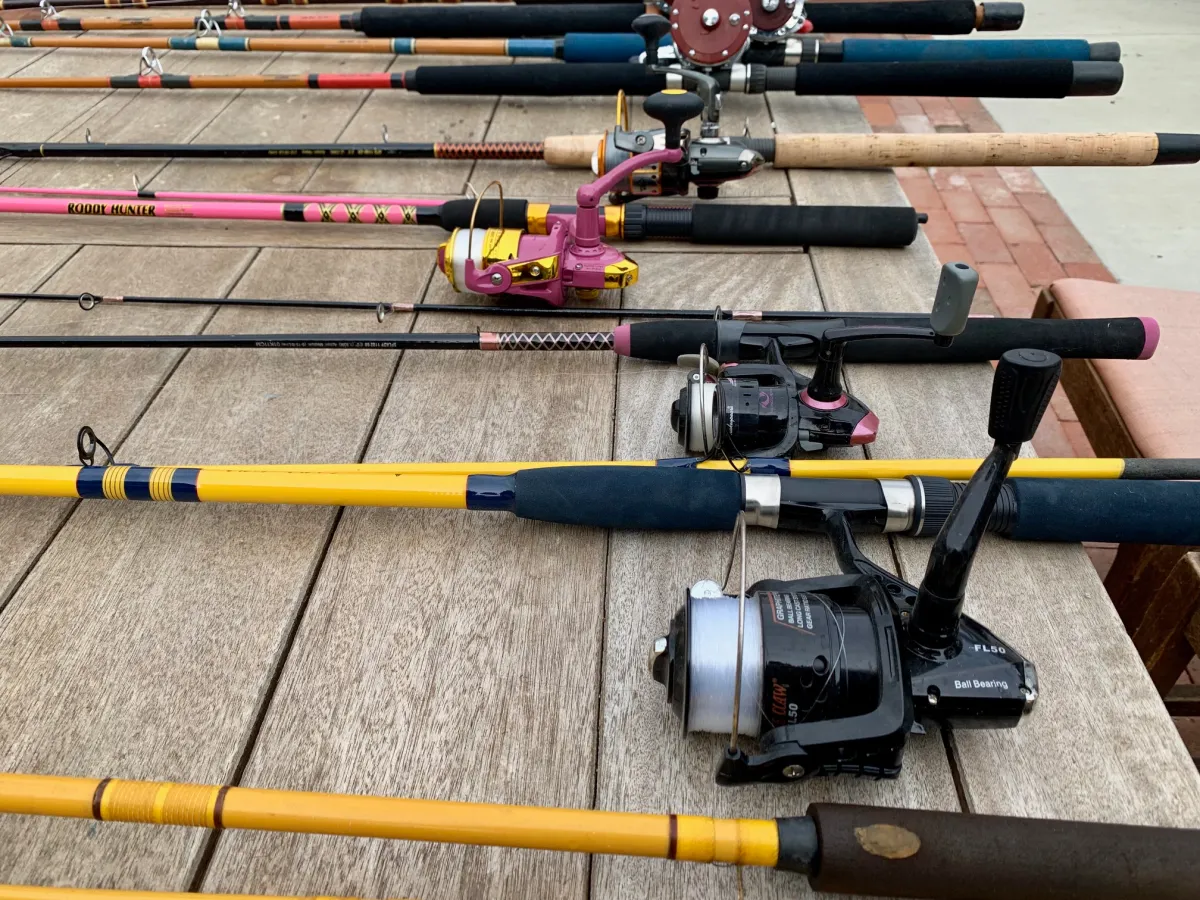
Kentucky’s lakes, rivers, and streams teem with bass, crappie, catfish, and trout, offering endless opportunities for anglers. But for beginners, navigating gear choices while staying compliant with regulations can feel overwhelming. This guide simplifies the process by blending practical gear recommendations, local fishing insights, and up-to-date licensing requirements to ensure your first casts are both productive and lawful.
Understanding Kentucky’s Fishing Landscape
Kentucky’s diverse fisheries—from the sprawling 160,000-acre Kentucky Lake to the crystal-clear streams of the Cumberland Plateau—demand gear tailored to specific species, seasons, and habitats. Renowned fishing expert Arthur B. Lander emphasizes in A Fishing Guide to Kentucky’s Major Lakes that “success hinges on matching your gear to the fish’s behavior and the water’s conditions” . Whether targeting trophy bass or panfish, beginners must prioritize adaptability and compliance with state rules.
Key Regulatory Considerations for Beginners:
- Licensing: Anglers aged 16+ must carry a valid Kentucky fishing license. Options include annual, short-term, and trout-specific permits. Licenses fund critical conservation efforts managed by the Kentucky Department of Fish and Wildlife Resources (KDFWR).
- Free Fishing Days: Mark June 7–8, 2025, on your calendar—no license required, but all other regulations apply.
- Species-Specific Rules: Size and creel limits vary. For example, largemouth bass must be at least 15 inches in many lakes, while crappie daily limits range from 20–30 fish depending on the waterbody.
Pro Tip: Always verify regulations for your target location using the KDFWR’s interactive map before heading out.
Essential Gear for Kentucky’s Top Species
Selecting the right rod, reel, line, and tackle requires understanding the habits of Kentucky’s most popular fish. Below, we break down gear recommendations for beginners, balancing affordability and performance.
1. Largemouth Bass: Power and Precision
Habitat: Weed beds, submerged timber, and rocky shorelines in warm waters like Lake Barkley. Recommended Gear:
- Rod: Medium-heavy power, fast-action rod (7–7.5 ft) like the Ugly Stik GX2 ($60–$80). Its sensitivity detects subtle strikes, while its durability handles heavy cover.
- Reel: Baitcasting reel with a 6.3:1 gear ratio (e.g., Abu Garcia Black Max, $70–$90) for precise lure control.
- Line: 10–14 lb fluorocarbon (e.g., Seaguar Red Label) for invisibility in clear water.
- Lures: Texas-rigged soft plastics, crankbaits, and topwater frogs.
Step-by-Step Rigging for Beginners:
- Thread a 3/0 offset hook through the head of a soft plastic worm.
- Push the hook point through the worm’s belly and rotate it 180 degrees.
- Bury the hook tip into the worm’s body to make it weedless.
2. Crappie: Light Tackle for Panfish
Habitat: Submerged brush piles and bridge pilings in lakes like Green River Lake. Recommended Gear:
- Rod: Light-power spinning rod (6–7 ft) with a moderate-fast action (e.g., Shakespeare MicroSpin, $30–$50).
- Reel: 1000–2000 size reel spooled with 4–6 lb monofilament (e.g., Berkley Trilene XL).
- Tackle: 1/16 oz jigs paired with tube baits or live minnows.
Seasonal Adjustments:
- Spring: Use slip bobbers near spawning beds.
- Winter: Vertical jigging with hair jigs in deep channels.
3. Catfish: Heavy-Duty Essentials
Habitat: Muddy bottoms of rivers like the Ohio and Mississippi. Recommended Gear:
- Rod: Medium-heavy to heavy-power rod (8–10 ft) (e.g., KastKing Perigee II, $50–$70).
- Reel: Baitrunner-style spinning reel (e.g., Shimano Baitrunner D, $100–$120) with 20–30 lb braided line.
- Bait: Chicken livers, cut shad, or prepared stink baits.
Best Practices:
- Use a slip-sinker rig with a 2–4 oz weight to keep bait anchored.
- Fish at dusk or dawn when catfish are most active.
Gear Comparison Table for Beginners
| Species | Rod Type | Reel Type | Line Recommendation | Budget-Friendly Option |
|---|---|---|---|---|
| Bass | Medium-heavy, 7–7.5 ft | Baitcasting, 6.3:1 | 10–14 lb fluorocarbon | Ugly Stik GX2 Combo ($100) |
| Crappie | Light, 6–7 ft | Spinning, 1000–2000 | 4–6 lb mono | Shakespeare MicroSpin ($40) |
| Catfish | Heavy, 8–10 ft | Spinning, baitrunner | 20–30 lb braid | KastKing Perigee II Combo ($80) |
Navigating Kentucky’s Fishing Licenses
While gear is critical, compliance starts with proper licensing. Kentucky offers eight license types, including:
- Annual Fishing License: $27 for residents; $55 for non-residents.
- 1-Day License: $7 (ideal for trial outings).
- Trout Permit: $10 (required for all trout waters).
How to Purchase:
- Online: Instant access via the KDFWR licensing portal.
- In-Person: Walmart, bait shops, or county clerk offices.
Internal Link: For a detailed breakdown of costs, see our guide to How Much Is a Fishing License in Kentucky?.
CONTINUING
Seasonal Adjustments and Tactics
Kentucky’s fishing success hinges on adapting to seasonal patterns. Arthur B. Lander’s A Fishing Guide to Kentucky’s Major Lakes emphasizes that “fish behavior shifts dramatically with water temperature and spawning cycles” . Below, we outline strategies tailored to Kentucky’s climate:
Spring (March–May)
- Bass: Target shallow coves with spinnerbaits or soft plastics as bass move to spawn.
- Crappie: Focus on submerged brush piles with jigs tipped with minnows.
- Catfish: Use cut bait near river mouths as water levels rise.
Summer (June–August)
- Deepwater Tactics: Fish deeper structures (15–25 ft) with drop-shot rigs for bass and vertical jigs for crappie.
- Night Fishing: Catfish become active after sunset—deploy glow-in-the-dark bobbers with stink baits.
Fall (September–November)
- Surface Action: Topwater lures like poppers attract bass feeding on shad.
- Trout Streams: Stocked streams like the Cumberland River see increased activity—use ultralight gear with 2–4 lb line.
Winter (December–February)
- Slow Presentations: Jigging spoons for suspended crappie in reservoirs like Herrington Lake.
- Ice Fishing: Rare in Kentucky, but smaller ponds may freeze—auger test holes and use wax worms for bluegill.
Top Fishing Locations and Gear Pairings
Kentucky’s diverse waterways demand location-specific strategies. Below are 5 premier destinations and their gear requirements:
| Location | Target Species | Recommended Gear | Internal Link |
|---|---|---|---|
| Kentucky Lake | Largemouth Bass | 7’3” flipping rod, heavy braid (50 lb), punch rigs for matted vegetation | Best Spots in Kentucky |
| Lake Cumberland | Striped Bass | 9’ trolling rods, umbrella rigs with swimbaits | TN License Costs |
| Green River Lake | Crappie | 1/16 oz marabou jigs, 6’6” ultralight rod | KY Regulations |
| Ohio River | Channel Catfish | 10’ surf rod, circle hooks (6/0), 3 oz sinkers | Catfish Rig Guide |
| Cumberland River | Rainbow Trout | 5 wt fly rod, nymphs (Pheasant Tail), 9’ leader | Trout Tactics |
Safety and Environmental Stewardship
Adhering to KDFWR guidelines ensures sustainable fishing and personal safety:
- Life Jackets: Mandatory for boaters; opt for inflatable models for mobility.
- Toxic Algae Alerts: Check the KDFWR Harmful Algal Bloom Dashboard before visiting lakes like Taylorsville.
- Invasive Species: Clean gear thoroughly to prevent spreading zebra mussels or Asian carp.
Pro Tip: Participate in “Catch and Release” programs for trophy bass—use barbless hooks and wet hands to handle fish.
Conclusion
From selecting the right rod for Kentucky Lake’s bass to mastering seasonal tactics on the Cumberland River, this guide equips beginners with actionable insights. By pairing species-specific gear with up-to-date regulations , you’ll maximize your success while preserving Kentucky’s aquatic ecosystems.
Next Steps:
- Explore Kentucky’s Free Fishing Days to test new gear risk-free.
- Dive deeper into regional strategies with our Ultimate Wisconsin Fishing Guide for cross-state comparisons.
Final Thought: As Lander notes, “Patience and preparation transform fishing from a pastime into an art” . Tight lines!