Florida Keys vs Miami Fishing Regulations: Different License Requirements Explained
Read this TeenFish guide for the key fishing license rules, permit details, and trip-planning information anglers should review first.
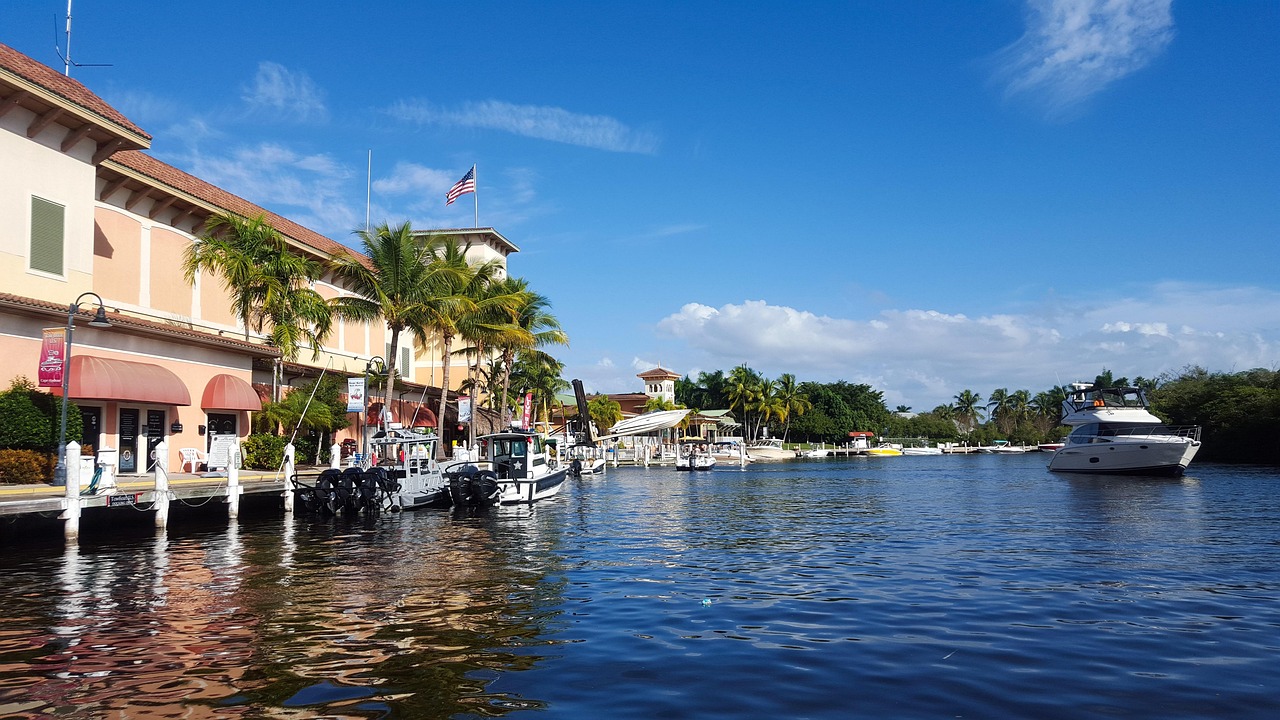
Florida offers some of the world’s most coveted fishing experiences, with the Florida Keys and Miami presenting distinct angling opportunities. However, navigating the different fishing regulations between these two iconic destinations requires understanding specific license requirements, sanctuary rules, and species restrictions. This comprehensive guide compares fishing regulations in the Florida Keys and Miami to help you enjoy a legal and successful fishing adventure in 2025.
Understanding Florida’s Basic Fishing License Framework
Before diving into the specific differences between the Florida Keys and Miami, it’s essential to understand the basic fishing license framework that applies throughout Florida.
Who Needs a Fishing License in Florida?
In Florida, anyone aged 16-64 must have a valid fishing license to fish in public waters, whether saltwater or freshwater. This requirement applies to both residents and non-residents, with Florida residents enjoying significantly lower fees when they provide proof of Florida residency (typically a Florida driver’s license or ID card showing you’ve resided in Florida for at least six consecutive months).
According to the Florida Fish and Wildlife Conservation Commission (FWC), you’re considered a Florida resident if you’ve declared Florida as your only state of residence or are an active-duty military member stationed in Florida.
License Exemptions to Know in 2025
Several groups are exempt from standard fishing license requirements:
- Florida residents 65 and older (must carry ID for verification)
- Children under 16 (both residents and non-residents)
- Military personnel from Florida (when home on leave for 30 days or less)
- Disabled veterans with proper certification from the FWC
- Anglers fishing from a licensed charter boat or fishing pier with a valid pier license
- Florida residents with specified disabilities (with proper documentation)
- Florida residents receiving certain government benefits (for shoreline saltwater fishing only)
For a complete list of exemptions, visit Florida Fishing License Exemptions.
Types of Fishing Licenses Required for Florida Keys vs Miami
Both the Florida Keys and Miami require specific licenses depending on where and how you plan to fish. Understanding these requirements is crucial for compliance with state regulations.
Saltwater Fishing Licenses
A saltwater fishing license is required for fishing in marine and brackish waters, including the Atlantic Ocean, Gulf of Mexico, bays, estuaries, and other coastal areas. This applies to both the Florida Keys and Miami’s coastal waters.
License Cost Comparison (2025):
| License Type | Resident Cost | Non-Resident Cost |
|---|---|---|
| Annual Saltwater | $17 | $47 |
| Shoreline Only (No Vessel) | $11.50 | N/A |
| 3-Day Saltwater | N/A | $17 |
| 7-Day Saltwater | N/A | $30 |
The shoreline-only license allows residents to fish from shore or structures attached to shore (like bridges or piers) without using a vessel at any point. This can be a cost-effective option for bridge fishing in the Florida Keys or fishing from Miami’s beach piers. Learn more about Saltwater Fishing License in Florida.
Freshwater Fishing Licenses
When fishing in freshwater lakes, rivers, or canals (more common in mainland Miami-Dade County than the Keys), you’ll need a freshwater fishing license.
Freshwater License Costs (2025):
| License Type | Resident Cost | Non-Resident Cost |
|---|---|---|
| Annual Freshwater | $17 | $47 |
| 3-Day Freshwater | N/A | $17 |
| 7-Day Freshwater | N/A | $30 |
Combination Licenses and Value Packages
Florida offers combination licenses that provide added value for residents who fish in both saltwater and freshwater environments or participate in multiple outdoor activities.
Combination Options (Residents Only):
| License Type | Resident Cost |
|---|---|
| Saltwater/Freshwater Combo | $32.50 |
| Freshwater/Hunting Combo | $32.50 |
| Saltwater/Freshwater/Hunting Combo | $48.00 |
| Gold Sportsman's License | $100.00 |
For more information about these combination options, visit Florida Fishing License Bundles.
Special Permits Required in Both Locations
Beyond the basic licenses, several species require additional permits in both the Florida Keys and Miami. These permits are crucial for targeting specific high-value or protected species.
Snook Permit
If you plan to harvest (not just catch and release) snook during the open season, you’ll need a snook permit in addition to your saltwater fishing license.
- Cost: $10 annually for all anglers
- Five-year option: $50 (residents only)
- Required in: Both Florida Keys and Miami waters
Tarpon Tag
Tarpon are primarily catch-and-release fish in Florida. However, if you’re pursuing an IGFA record, you can purchase a tarpon tag.
- Cost: $51.50 per tag
- Limit: One tarpon per year per tag
- Available at: Tax collector offices only
- Required in: Both Florida Keys and Miami waters
Spiny Lobster Permit
Particularly important in the Florida Keys, but also required in Miami waters, this permit is essential during lobster season.
- Cost: $5 annually for all anglers
- Five-year option: $25 (residents only)
- Regular season: August 6, 2024 - March 31, 2025
- Sport season: July 30-31, 2024
- Bag limits:
- Sport season: 6 per harvester in Monroe County (Keys) and Biscayne National Park, 12 per harvester elsewhere
- Regular season: 6 per harvester in all areas
Free Required Permits
Some species require permits that are free but still mandatory:
- Blue Crab Permit: Required for using blue crab traps
- Stone Crab Permit: Required for harvesting stone crab claws
- Reef Fish Angler Registration: Required for private boat anglers targeting snapper, grouper, and other reef fish
- Shore-based Shark Fishing Permit: Required for shark fishing from shore
These free permits can be obtained online through GoOutdoorsFlorida.com.
The Florida Keys Difference: Marine Sanctuary Regulations
What truly distinguishes fishing in the Florida Keys from Miami are the extensive marine sanctuary protections in the Keys. According to the Florida Keys National Marine Sanctuary, the waters surrounding the island chain have specific zones with varying levels of restrictions.
Sanctuary Preservation Areas (SPAs)
These are designated no-take zones marked by 30-inch round yellow buoys. In these areas:
- No fishing by any means is allowed (including catch and release)
- No touching or standing on living or dead coral
- No anchoring (full prohibition taking effect in 2027)
- No collecting or removing any marine life
SPA locations include popular dive sites like Molasses Reef, Carysfort Reef, and Sombrero Key.
Conservation Areas
Similar to SPAs but may allow limited fishing activities in specific locations:
- Generally no fishing unless specified exceptions apply
- No discharge except cooling water from vessels
- No touching or standing on coral
- No anchoring in most areas
For example, the Western Sambo Conservation Area allows limited anchoring in designated areas.
Wildlife Management Areas
These designated zones may be marked as:
- "Idle speed no-wake"
- "No motor"
- "No anchor"
- "No-entry"
Each has specific restrictions designed to protect wildlife habitat such as bird nesting areas or shallow seagrass beds.
Ecological Reserves
The largest protected zones, including the Tortugas Ecological Reserve, where:
- No fishing or collection of any marine resource is allowed
- Transit through with proper notification may be permitted
- No anchoring is allowed
These extensive sanctuary regulations create a significantly different regulatory environment in the Keys compared to Miami, with much more stringent protections and more areas where fishing is prohibited entirely.
Miami’s Urban Fishing Environment
Miami presents a more urban fishing environment with its own unique set of regulations and considerations.
Biscayne National Park Regulations
A significant portion of Miami’s prime fishing waters falls within Biscayne National Park, which has its own set of regulations:
- The park has specific no-take zones similar to the Keys sanctuary
- Special catch limits may differ from standard Florida regulations
- Lobster harvest during sport season has the same 6-per-harvester limit as Monroe County (Keys)
Urban Fishing Areas and City Parks
Miami’s urban setting creates additional local regulations:
- City parks often have specific fishing hours and restrictions
- Causeways and bridges may have gear restrictions or time limitations
- Artificial reefs in Miami-Dade County have specific regulations
- Night fishing restrictions apply in some areas, particularly in Biscayne Bay
Freshwater Options
Unlike the Keys, Miami offers significant freshwater fishing opportunities:
- Canal systems throughout Miami-Dade County require a freshwater license
- Urban ponds and lakes in city parks have specific regulations
- Peacock bass and other exotic species are popular targets in Miami's freshwater systems
2025 Regulation Updates for Both Regions
Several important regulatory changes have taken effect for the 2025 fishing season that affect both the Florida Keys and Miami:
Red Snapper Season
- Gulf waters: Season runs May 24-26, June 1-July 31, and select fall weekends
- Atlantic waters: Dates pending NOAA announcement
- Bag limits: 2 per harvester in Gulf, 1 per harvester in Atlantic
Anchoring Restrictions
- Monroe County (Keys): Expanded no-anchoring zones near coral reefs
- Miami-Dade County: New anchoring restrictions in Biscayne Bay and near mooring fields
- Both regions: Transition to mooring buoys in sensitive areas
Protected Areas Expansion
- New coral reef protection areas in Biscayne National Park
- Expanded no-take zones in the Florida Keys National Marine Sanctuary
- Enhanced enforcement in both regions
Where to Purchase Your License in 2025
Florida offers multiple convenient options for purchasing fishing licenses:
- Online: Visit GoOutdoorsFlorida.com (the official FWC licensing portal)
- In-person options:
- Walmart
- Bass Pro Shops
- Local tackle shops
- County tax collector offices
- By phone: Call 1-888-FISH-FLORIDA (1-888-347-4356)
- Mobile app: The Fish|Hunt FL app stores digital licenses accepted by FWC officers
For more information on license renewal, visit How to Renew Your Florida Fishing License.
Digital Licensing Trend in 2025
Following current technology trends, Florida has fully embraced digital licensing options. The Fish|Hunt FL app allows anglers to store and display their licenses digitally, eliminating the need to carry paper licenses.
When using digital licenses, remember to:
- Keep your phone charged when fishing
- Download your license before heading to areas with poor reception
- Have photo ID available, as officers may request identification
Penalties for Fishing Without a License
Fishing without proper licensing in either location can result in significant penalties:
- First offense: Typically results in a $50 fine plus the cost of the required license
- Repeat offenses: Can lead to fines up to $500 and possible gear confiscation
- Sanctuary violations: More severe penalties, especially in protected zones
Enforcement presence:
- Florida Keys: FWC officers, Monroe County Sheriff's marine units, and sanctuary enforcement officers
- Miami: FWC officers, Miami-Dade police, and park rangers
Specialized Fishing in Florida Keys vs Miami
Bridge Fishing Comparison
Florida Keys Bridge Fishing:
- Iconic bridges like Seven Mile Bridge and Bahia Honda Bridge
- Shoreline license ($11.50) covers bridge fishing for residents
- Special gear restrictions on some bridges
- More information at Florida Keys Bridge Fishing Licenses
Miami Bridge Fishing:
- Bridges over Biscayne Bay and intercostal waterways
- Same shoreline license rules apply
- Local restrictions may differ from the Keys
- Urban setting with different target species
Beach and Surf Fishing
Florida Keys Beach Fishing:
- Limited beach access compared to Miami
- Focus on flats fishing near beaches
- More restrictions due to sanctuary zones
Miami Beach Fishing:
- Extensive beach access along Miami-Dade County
- Popular surf fishing destination
- Fewer sanctuary restrictions than the Keys
- More details at Florida Beach Fishing License
Species Differences and Regulations
| Species | Florida Keys Regulations | Miami Regulations |
|---|---|---|
| Bonefish | Catch and release only | Catch and release only |
| Permit | 1 per harvester, slot limit | 1 per harvester, slot limit |
| Tarpon | Catch and release (unless tagged) | Catch and release (unless tagged) |
| Snook | Closed Dec 15-Jan 31, May 1-Aug 31 | Same seasonal closures |
| Lobster | 6 per harvester during sport season | 6 per harvester in Biscayne National Park, 12 elsewhere during sport season |
Practical Comparison: Florida Keys vs Miami Fishing
Advantages of Florida Keys Fishing
- World-class flats fishing for bonefish, permit, and tarpon
- Offshore opportunities closer to shore than Miami
- Clearer waters due to less urban runoff
- Less crowded fishing spots in many areas
Advantages of Miami Fishing
- Greater variety of fishing environments (saltwater and freshwater)
- Urban convenience with easier access to supplies and services
- Fewer sanctuary restrictions outside of Biscayne National Park
- Excellent peacock bass fishing in freshwater canals (not available in the Keys)
Conservation Importance
Understanding and following fishing regulations in both the Florida Keys and Miami is crucial for conservation. The licensing system directly funds conservation efforts, habitat restoration, and enforcement. The Florida Keys National Marine Sanctuary was established to protect North America’s only living coral barrier reef, along with thousands of marine species.
These regulations aren’t just bureaucratic hurdles-they’re essential tools for preserving one of the world’s most unique marine ecosystems. The sanctuary zones, bag limits, and seasonal closures are designed to protect declining fish stocks and sensitive habitats while still allowing for sustainable recreational and commercial fishing.
Frequently Asked Questions
Do I need different licenses for the Florida Keys and Miami?
No. Florida fishing licenses are valid statewide, including both the Florida Keys and Miami. However, you need to be aware of the different local regulations, especially sanctuary zones in the Keys and park rules in Miami.
Can I use my shoreline license to fish from bridges in both locations?
Yes, the $11.50 shoreline fishing license for Florida residents covers fishing from bridges, piers, and other shore-based structures in both the Florida Keys and Miami, as long as you don’t use a vessel at any point.
Are there free fishing days in Florida?
Yes, Florida offers several license-free fishing days each year. For 2025, these include:
- June 7-8, 2025 (Saltwater)
- April 5-6, 2025 (Freshwater)
What’s the difference between sanctuary preservation areas and conservation areas in the Keys?
Both prohibit most fishing activities, but conservation areas may allow limited fishing in specific locations, while sanctuary preservation areas are strict no-take zones with rare exceptions.
How do I identify restricted areas in the Florida Keys?
Sanctuary preservation areas and conservation areas are marked by 30-inch round yellow buoys. Wildlife management areas use white and orange cylindrical spar buoys and signs.
If I lose my license, do I have to buy a new one?
No, you can reprint it online or show the digital copy on your phone. Replacement licenses can also be purchased for a small fee if needed.
Conclusion: Making the Most of Your Florida Fishing Adventure
Understanding the differences between Florida Keys and Miami fishing regulations is essential for a legal and enjoyable angling experience. While both areas operate under Florida’s statewide licensing system, the Florida Keys’ extensive sanctuary protections create a significantly different regulatory environment compared to Miami’s more urban fishing scene.
By obtaining the proper licenses and permits, learning about restricted areas, and staying informed about seasonal regulations, you’ll not only avoid penalties but also contribute to the conservation of Florida’s incredible marine resources for future generations to enjoy.
Before your next fishing trip to either destination, visit the FWC website or speak with local bait shops for the most current regulations. Remember that rules can change based on environmental conditions and fish populations, so staying informed is part of the responsibility of being an ethical angler in these world-class fishing destinations.
For more information about the differences between saltwater and freshwater fishing in Florida, visit 2025 Florida Saltwater vs. Freshwater Fishing Licenses.