2025 CA Non-Resident Fishing License Costs & Tips
Compare California non-resident fishing license options, prices, duration choices, and the rules visitors should review before fishing.
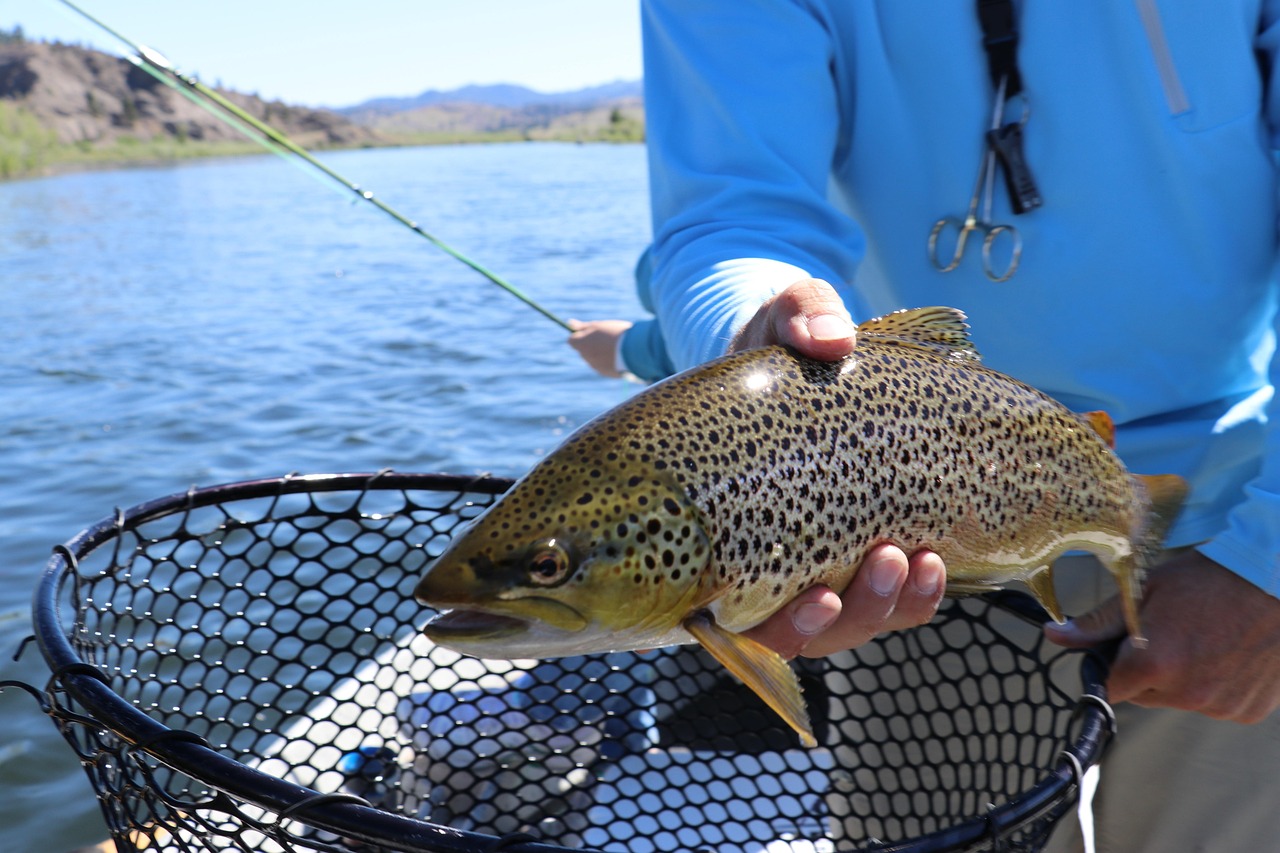
California’s 840 miles of coastline and 4,000 lakes and reservoirs make it a global fishing destination. For non-residents, navigating the state’s licensing system is the first step toward accessing world-class angling for species like Chinook salmon, rainbow trout, and Pacific halibut. This guide delivers 2025-specific fee structures, purchasing protocols, and compliance strategies tailored to non-residents. Beyond legal requirements, your license purchase directly funds critical conservation programs managed by the California Department of Fish and Wildlife (CDFW), including habitat restoration and invasive species control.
2025 Non-Resident Fishing License Options & Fee Breakdown
California’s tiered licensing system accommodates diverse trip lengths and fishing styles. Below is the official 2025 fee schedule, verified against CDFW’s January 2025 pricing update:
| License Type | Cost | Validity | Key Restrictions |
|---|---|---|---|
| Annual Non-Resident License | $216.00 | 365 days | Covers all inland and coastal species |
| 1-Day Non-Resident License | $29.73 | 24 hours | Excludes steelhead and salmon |
| 2-Day Non-Resident License | $61.82 | 48 consecutive hours | Valid for two calendar days |
| Non-Resident Tourist License | $34.97 | 7 consecutive days | Prohibits commercial fishing activities |
Critical Notes:
- The tourist license is ideal for visitors targeting popular species like bass or crappie but excludes specialized permits for steelhead or sturgeon.
- Multi-day licenses must be used on consecutive days, starting at 12:00 AM on the activation date.
- Prices include a $7.00 automation fee mandated by the CDFW for online transactions.
For comparison, California’s non-resident fees are 27% higher than neighboring Oregon but 15% lower than Washington’s 2025 rates. Anglers planning multi-state trips should review our guide to non-resident fishing licenses in Oregon for cost-saving strategies.
Mandatory Permits & Validations for Targeted Fishing
Beyond the base license, non-residents must secure species-specific permits depending on their catch goals. Failure to obtain these can result in fines up to $1,000 per violation.
1. Trout Validation
- Cost: $9.97 (annual)
- Required For: Fishing in designated trout waters like Lake Tahoe or the Upper Sacramento River.
- 2025 Regulation Update: The CDFW now mandates trout validation for all anglers over age 16, including those using barbless hooks in catch-and-release zones.
2. Ocean Enhancement Validation
- Cost: $8.73 (annual)
- Required For: Fishing in marine areas south of Point Arguello (Santa Barbara County). Funds support hatchery programs for endangered white seabass.
3. Second-Rod Validation
- Cost: $19.97 (annual)
- Permission: Allows using two rods simultaneously in inland waters, excluding streams with special gear restrictions.
Pro Tip: Pair your validations with a lifetime fishing license if you plan frequent visits. Our analysis of California’s lifetime fishing licenses reveals long-term savings for non-residents visiting 3+ times per decade.
Purchasing Your 2025 Non-Resident License
California offers three authorized purchasing channels, each with distinct processing times:
- Online via CDFW License Portal
-
Steps:
- Visit CDFW Online Sales.
- Select “Non-Resident” and input your out-of-state address.
- Upload a scanned copy of your government-issued ID.
- Pay via credit/debit card (Visa, Mastercard, Discover accepted).
- Processing Time: Instant email delivery. Print or display digitally via the CDFW Mobile App.
- In-Person at CDFW Offices
- Locations: 28 offices statewide, including San Diego, Sacramento, and Eureka.
- Documents Required: Physical ID (driver’s license, passport) and proof of non-residency (e.g., utility bill).
- Hours: 8:30 AM – 4:30 PM PST, weekdays only.
- Retail Agents
- Participating Chains: Walmart, Bass Pro Shops, and Big 5 Sporting Goods.
- Limitations: Agents cannot issue validations for endangered species.
Common Pitfalls:
- Using a P.O. Box for registration delays processing by 3–5 business days.
- Digital licenses require offline access in remote areas like the Sierra Nevada. Always carry a printed backup.
2025 Fishing Seasons & Regional Restrictions
California’s diverse ecosystems require non-residents to align their trips with species-specific seasons and regional quotas. Below are critical dates and zones verified against the CDFW’s 2025 Freshwater and Ocean Sport Fishing Regulations:
1. Inland Waters (Lakes & Rivers)
| Species | Season Dates | Daily Bag Limit |
|---|---|---|
| Trout (General) | April 27 – November 15 | 5 per day |
| Chinook Salmon | July 1 – December 31 | 2 per day |
| Largemouth Bass | Open year-round | 5 per day |
| Sturgeon | Closed statewide until 2026 | N/A |
Key Restrictions:
- The American River (Sacramento County) enforces a catch-and-release only policy for steelhead from January 1 – March 31.
- Lake Tahoe requires non-residents to purchase a Tahoe-specific stamp ($12.00) for fishing in its Nevada-California shared waters.
2. Coastal Waters
| Species | Season Dates | Minimum Size |
|---|---|---|
| Pacific Halibut | May 1 – October 31 | 22 inches |
| Dungeness Crab | November 5 – June 30 | 5.75 inches |
| Rockfish | April 15 – December 31 | 10 inches |
Regional Closures:
- Marine Protected Areas (MPAs): Fishing is prohibited year-round in 124 MPAs, including the Point Lobos State Marine Reserve. Use the CDFW’s Interactive Fishing Map to verify boundaries.
- Delta Smelt Zones: The Sacramento-San Joaquin River Delta bans all take of smelt, with fines up to $2,500 for violations.
Pro Tip: Pair your license with a 2025 California Fishing Report Card to track catches in real time. Learn how to obtain one in our guide to California’s Fishing Report Cards.
Penalties for Non-Compliance: Risks & Mitigation
Failure to adhere to California’s licensing and regulatory framework can result in hefty fines, equipment confiscation, and even misdemeanor charges. Below is the 2025 penalty structure:
| Violation | First Offense | Subsequent Offenses |
|---|---|---|
| Fishing without a valid license | $485 + court fees | $1,000 + 30-day jail sentence |
| Exceeding bag limits | $1,000 per fish | License suspension for 1 year |
| Fishing in closed zones | $2,500 + gear seizure | Permanent ban from CDFW lands |
Critical Steps to Avoid Penalties:
- Display Your License: Keep it visible above the waist or stored digitally in the CDFW app.
- Verify Seasons Daily: Regulations shift frequently; subscribe to CDFW Emergency Updates.
- Report Poachers: Use the CalTIP Hotline (1-888-334-2258) to anonymously report violations and earn rewards.
Case Study: In March 2025, a non-resident angler faced a $3,200 fine for retaining undersized halibut in Monterey Bay. The court waived 50% of the penalty after he completed a CDFW-approved Angler Ethics Course ($75 fee).
For a deeper dive into legal risks, explore our analysis of Fishing License Violations in California.
Conclusion: Maximize Your California Adventure Legally
Securing a 2025 non-resident fishing license is not just a legal obligation—it’s an investment in California’s aquatic ecosystems. By understanding fee structures, seasonal restrictions, and compliance protocols, you safeguard both your angling privileges and the state’s natural resources. Remember:
- Double-Check Permits: Trout and ocean validations are non-negotiable for targeted species.
- Leverage Technology: The CDFW app provides real-time updates on quota closures and storm advisories.
- Support Conservation: 63% of license fees fund hatcheries and fish ladders, ensuring future generations enjoy California’s waters.
For step-by-step guidance on securing your license, refer to our companion guide: Buying Your California Fishing License Online.